Discovery Apple Tree Growing Guide & Benefits
Discovery apple trees (Malus domestica ‘Discovery’) are a popular early-season fruit tree in the UK, valued for their reliable cropping, excellent flavour, and suitability for a wide range of garden settings.
Early Harvest Season
Discovery apples are one of the earliest apple varieties in the UK, typically ready to harvest from late August to early September, making them ideal for enjoying fresh fruit early in the season.
Flavour & Uses
Discovery apples have a sweet, slightly tart flavour with a hint of strawberry, combined with a crisp and juicy texture. They are perfect for eating fresh, juicing, and light culinary use.
Discovery Apple Tree Pollination
Discovery apple trees belong to pollination group 3 and are partially self-fertile, meaning they can produce fruit on their own. However, planting alongside compatible varieties such as Worcester Pearmain or James Grieve can significantly improve fruit yield and quality.
Low Maintenance & Disease Resistance
Discovery apple trees are easy to grow and low maintenance, requiring minimal care compared to other fruit tree varieties. They also show good resistance to common apple diseases such as scab and mildew, reducing the need for chemical treatments.
Tree Size & Suitability for Gardens
With a naturally compact growth habit, Discovery apple trees are suitable for small to medium-sized gardens. They can also be grown in large containers or maintained at a smaller size through regular pruning.
Ideal for Pollinators & Biodiversity
In spring, Discovery apple trees produce fragrant white to pale pink blossom, attracting bees and other pollinators, making them an excellent choice for wildlife-friendly gardens.
Attractive Fruit & Garden Appeal
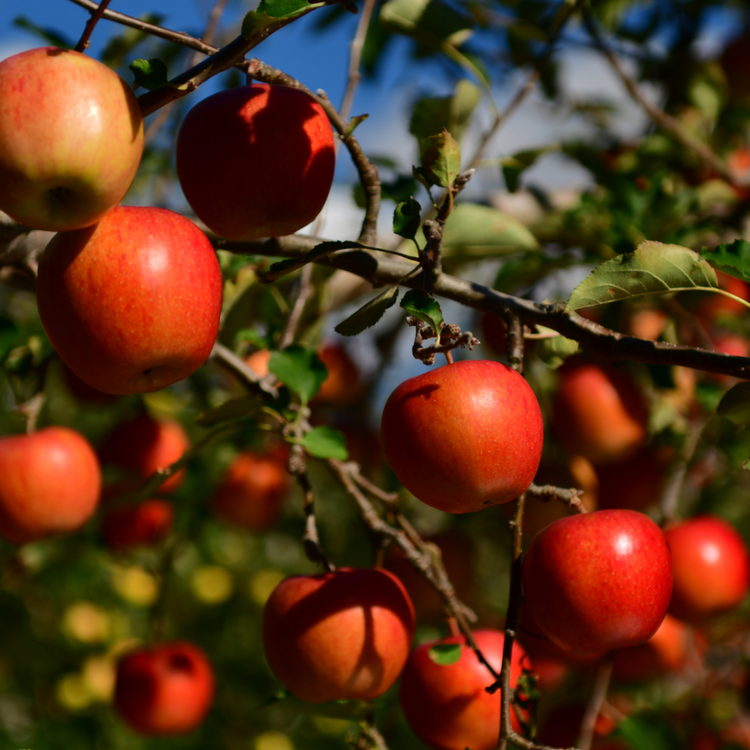
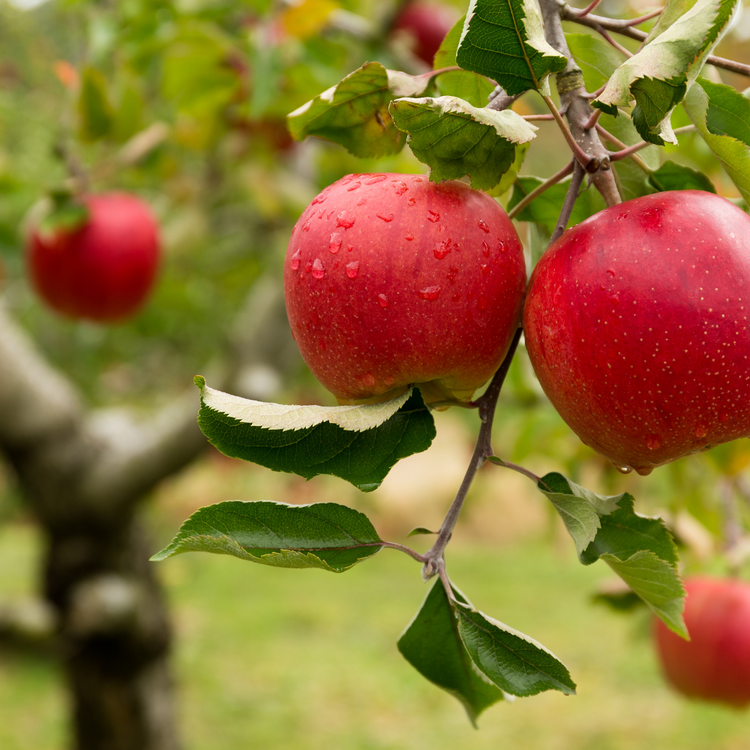
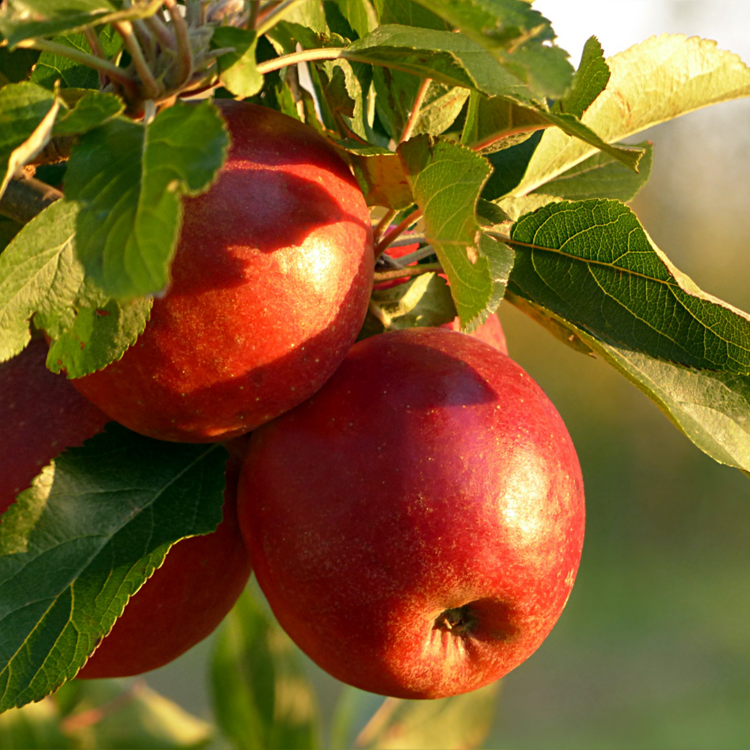
The apples develop a bright red blush with creamy-white flesh, adding visual interest to your garden while producing high-quality fruit.
Heritage UK Apple Variety
Originally bred in the UK in the 1940s, Discovery apple trees are a heritage variety, valued for their reliability and traditional flavour.
Frequently Asked Questions About Discovery Apple Trees
What pollination group is a Discovery apple tree?
Discovery apple trees belong to pollination group 3 and are partially self-fertile. However, planting with compatible varieties like Worcester Pearmain or James Grieve can improve fruit yield.
How tall does a Discovery apple tree grow?
Discovery apple tree height typically reaches 3–4 metres (10–13 feet), but it can be maintained at a smaller height with regular pruning, making it suitable for small gardens.
When are Discovery apples ready to harvest?
Discovery apples are an early-season variety, usually ready to harvest from late August to early September in the UK.
What do Discovery apples taste like?
Discovery apples have a sweet, slightly tart flavour with a hint of strawberry. They are crisp, juicy, and ideal for eating fresh or juicing.
Are Discovery apple trees easy to grow?
Yes, Discovery apple trees are low-maintenance, disease-resistant, and suitable for both beginners and experienced gardeners.
Can Discovery apple trees be grown in small gardens?
Yes, Discovery apple trees have a compact growth habit and can be pruned to maintain a manageable size, making them ideal for smaller gardens or even large containers.




 Medium Growth Rate
 Pink Flowers
 Deciduous
 Plant Guarantee