



EverythingPlants.co.uk
Ilex Crenata Hedge (Japanese Holly) – Box Hedge Alternative
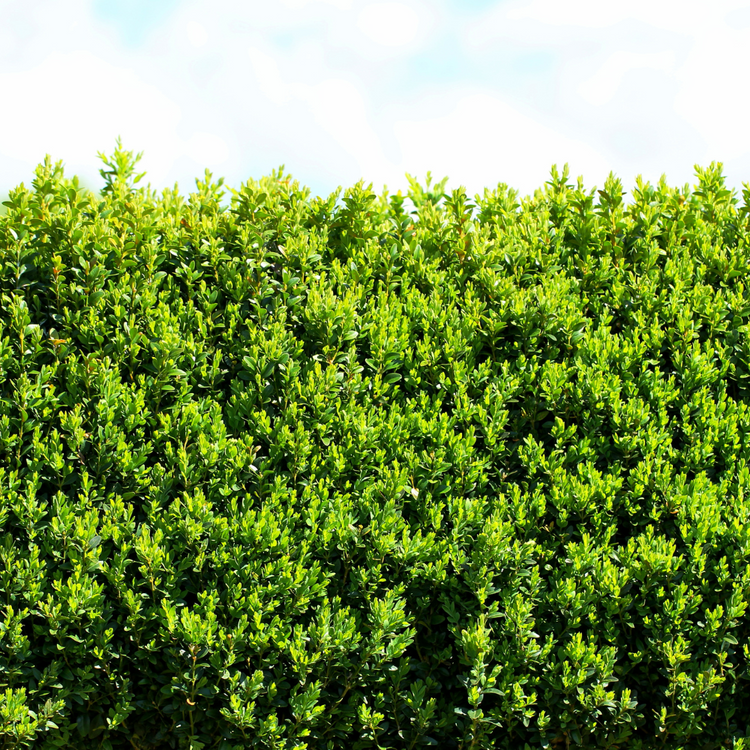
Ilex crenata, commonly known as Japanese Holly, is a popular box hedge alternative with small, glossy green leaves and a naturally dense, compact growth habit. It produces delicate white flowers in spring, followed by small black berries in autumn.
Ideal for UK gardens, this evergreen shrub is perfect for creating low-maintenance, formal hedging without the risk of box blight. Its neat appearance and tolerance to regular trimming make it a reliable choice for borders, pathways, and structured garden designs.
-
 Slow Growth Rate
-
 White Flowers
-
 Evergreen
-
 Berries
-
 Plant Guarantee


- Planting Conditions: Thrives in most soil types including clay and chalk; suitable for full sun to full shade and exposed or coastal areas
- Growth Rate: Slow-growing (approx. 10–20cm per year) – easy to maintain
- Height: Typically maintained between 0.5–1.5m (can grow taller if left untrimmed)
- Key Benefit: Excellent box hedge alternative with strong disease resistance
- Guarantee: 12-month plant guarantee for peace of mind

Select Root Type:
Root Types Summary

Pot Grown
This pot grown plant is supplied in a pot.
Root Ball
Root ball Plants are supplied in a biodegradable hessian sack.Select Size & Quantity
| Height cm | Price inc VAT | Planting Density | Plants Quantity | ||
|---|---|---|---|---|---|

|
Ilex Crenata Pot Grown 2L 20/40cm |
|
5 per metre |
|
|

|
Ilex Crenata Pot Grown 5L 40/60cm |
|
4 to 5 per metre |
|
|
| Height cm | Price inc VAT | Planting Density | Pallet Quantity | ||
|---|---|---|---|---|---|

|
Ilex Crenata Pot Grown 2L 20/40cm (x50) Multi-deal |
|
5 per metre |
|
|

|
Ilex Crenata Pot Grown 5L 40/60cm (x40) Multi-deal |
|
4 to 5 per metre |
|
|
Select Size & Quantity
| Height cm | Price inc VAT | Planting Density | Plants Quantity | ||
|---|---|---|---|---|---|

|
Ilex Crenata Root ball 60/80cm |
|
3 to 4 per metre |
|
|

|
Ilex Crenata Root ball 80/100cm |
|
3 per metre |
|
|
| Height cm | Price inc VAT | Planting Density | Pallet Quantity | ||
|---|---|---|---|---|---|

|
Ilex Crenata Root ball 80/100cm (x22) Multi-deal |
|
3 per metre |
|
|

|
Ilex Crenata Root ball 60/80cm (x26) Multi-deal |
|
3 to 4 per metre |
|
|
With over 30+ years in the horticultural industry, Bannister Hall is an award winning UK plants nursery. We are trusted growers and online retailers of everything plants including topiary, trees, hedges, and shrubs, supplying outdoor plants nationwide to homeowners, the RHS Chelsea Flower Show, local authorities, the NHS, landscaping designers, gardeners, contractors, and property developers. From our three privately owned British plants nurseries we offer specialist nationwide delivery of high quality plants at unbeatable prices. Our nurseries can be visited by everyone and you can also shop here online choosing from over 40,000 plant species. We are fully DEFRA compliant and approved by the national 'Plant Healthy Scheme'. Buy Hedges, Trees, Plants & Shrubs Direct Online with Free Delivery and 12 months plants guarantee- Tel. 0330 236 7330.